Publications / 2026
M2H-MX: Multi-Task Semantic and Geometric Perception for Real-Time Monocular 3D Scene Graph Construction
Also circulated as: M2H-MX: Multi-Task Dense Visual Perception for Real-Time Monocular Spatial Understanding
IEEE International Conference on Robotics and Automation (ICRA) 2026, SRRA Workshop, Vienna
Better per-frame depth and semantics measurably improve the map and the trajectory, not just the benchmark score.
Context
Dense prediction papers usually stop at per-frame metrics, which leaves open whether a better model actually produces a better map. M2H-MX is evaluated twice: once as a benchmark predictor, and once as the perception front end inside a running monocular SLAM pipeline that is otherwise unchanged.
Contribution
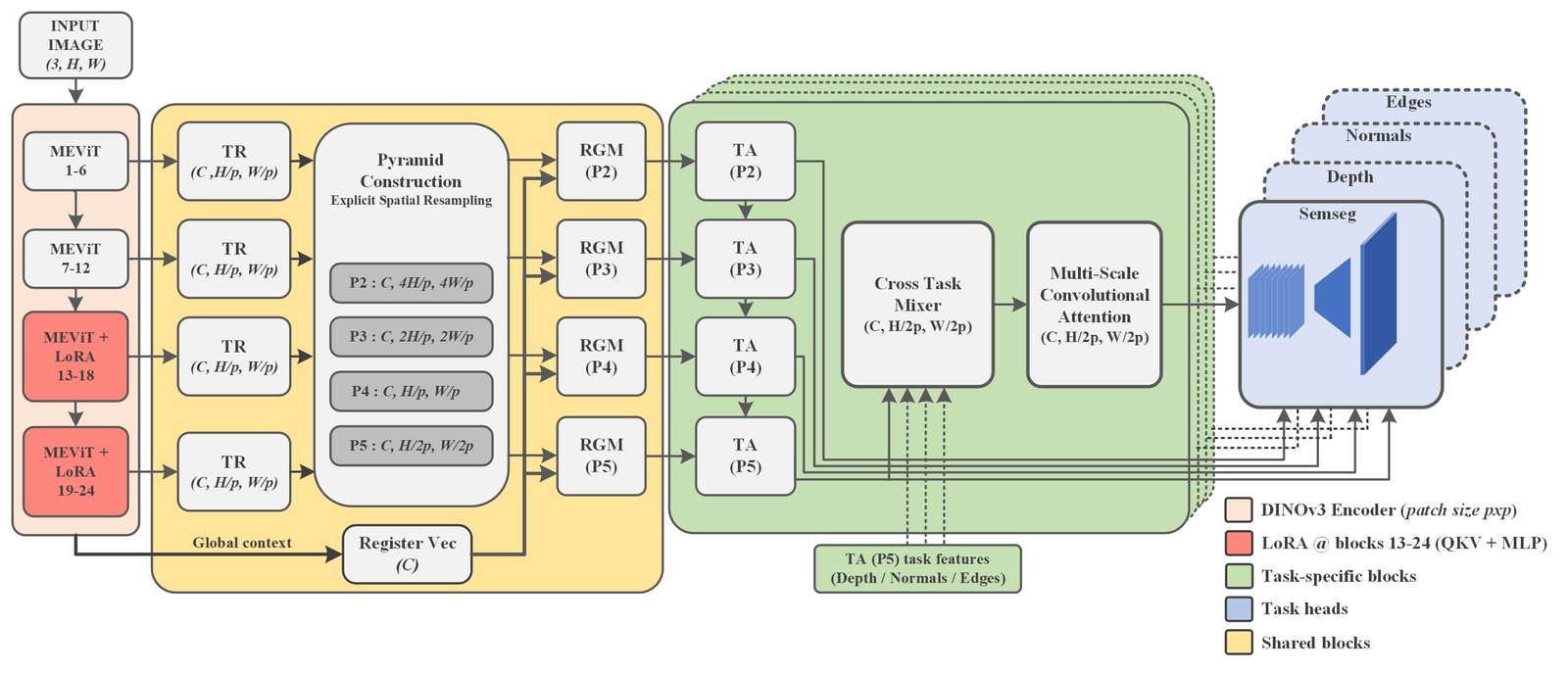
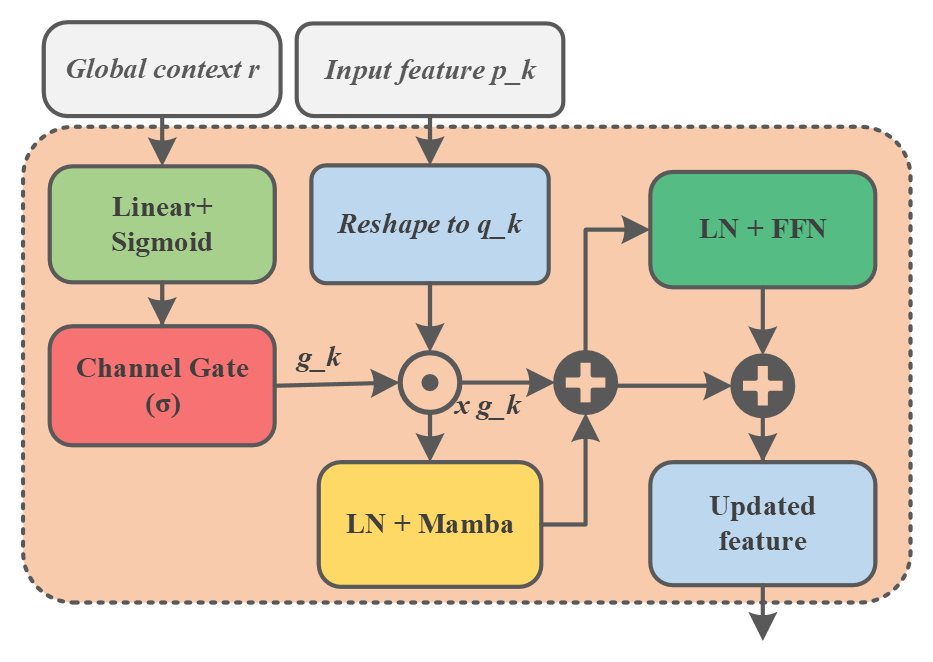
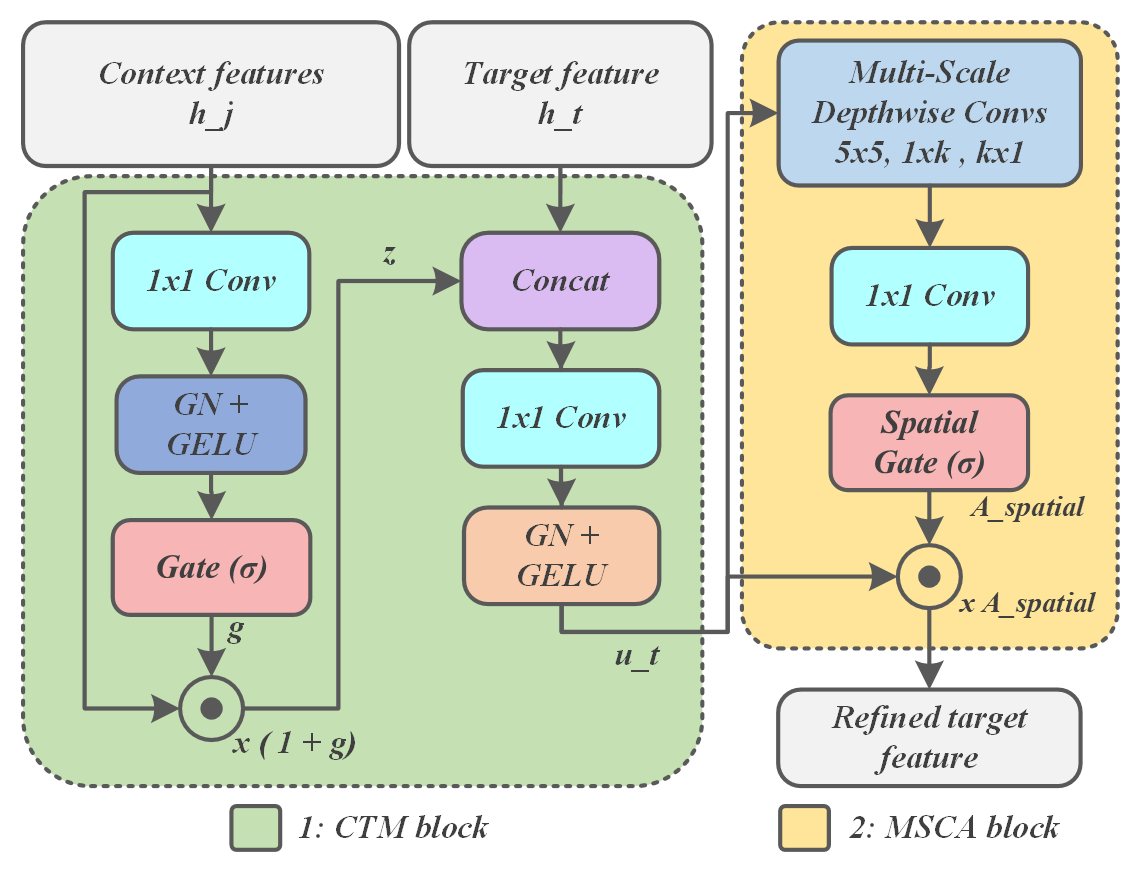
A DINOv3 backbone with LoRA adaptation, a register-gated Mamba decoder, and directed cross-task refinement between depth and semantics. In the ablation, replacing DINOv3 with DINOv2-L costs 8.81 mIoU, while removing the cross-task mixer and the spatial attention costs 2.07. Most of the gain therefore comes from the backbone features rather than from the new decoder blocks.
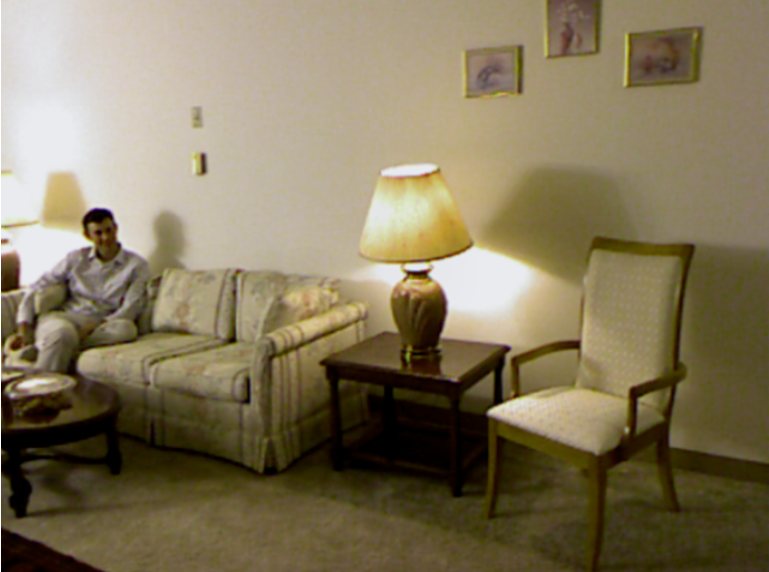
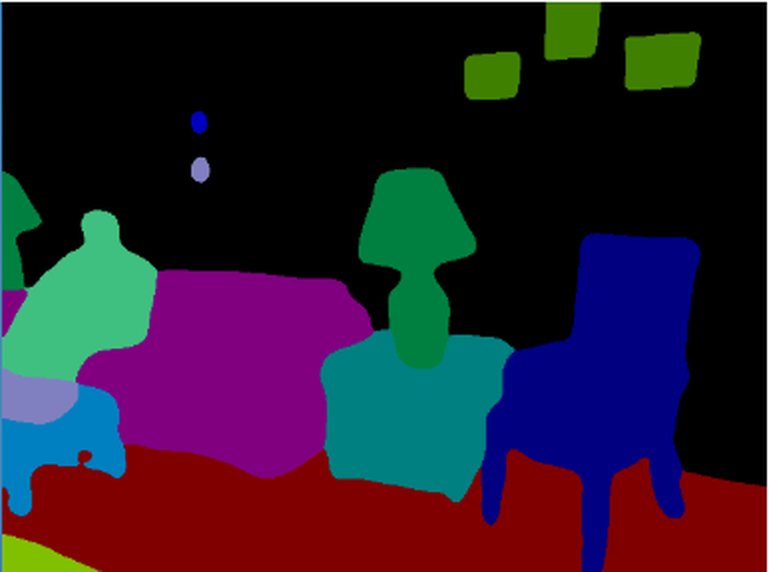
Indoor, NYUDv2

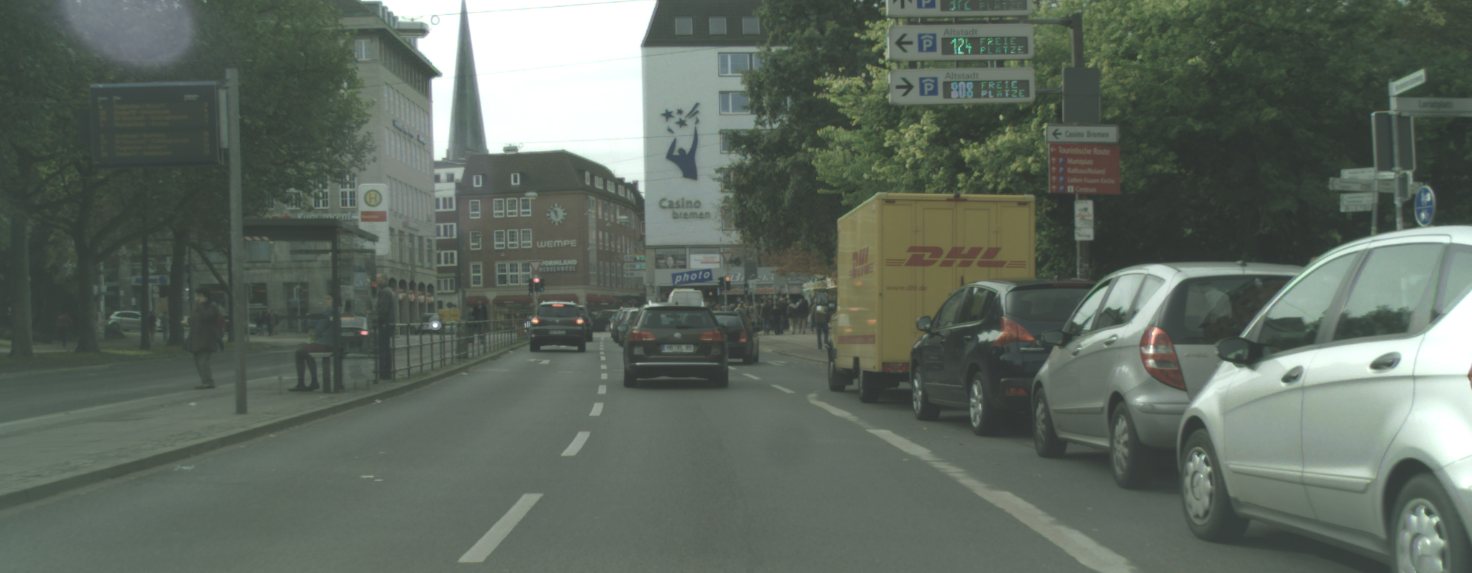
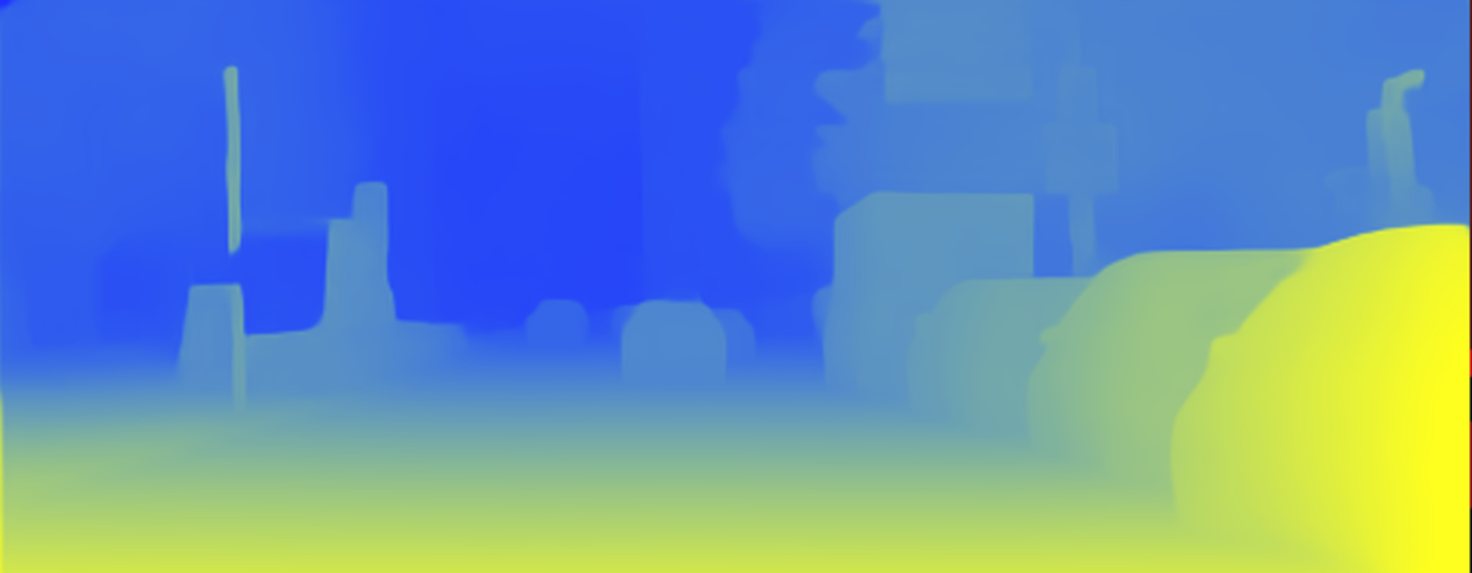
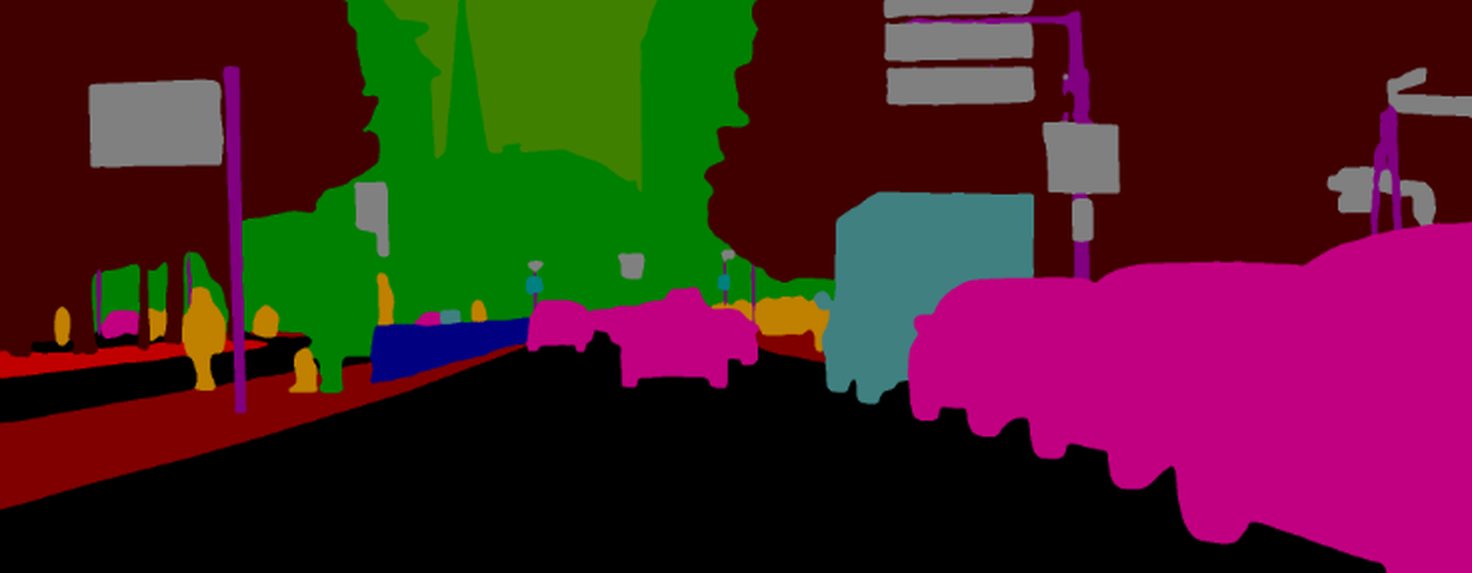
Outdoor, Cityscapes
Results
- 65.60 mIoU, 0.3800 RMSE NYUDv2 semantic segmentation and depth M2H-MX-L, RTX 4080 Super. This is +4.06 mIoU points and 9.4 % lower RMSE than M2H.
- 6.91 cm average ATE on selected ScanNet sequences Mono-Hydra stack with M2H-MX, monocular. Down from 17.59 cm for monocular Go-SLAM, a 60.7 % reduction. RGB-D baselines in the same table sit at 7.02 to 7.15 cm.
- 82.28 mIoU Cityscapes semantic segmentation M2H-MX-L, against MTMamba++ at 79.13
Datasets: NYUDv2, Cityscapes, ScanNet (ScanNet25k subset for the deployed model). Hardware: RTX 4080 Super, 25 to 30 Hz asynchronous perception-to-mapping loop at 640x480.
Limitations
- M2H-MX-L with 4 heads is 353.53 M parameters and 491.91 GFLOPs, which is large for a perception front end.
- The gain comes mostly from backbone quality rather than from the proposed decoder blocks.
- The ScanNet comparison uses selected sequences, not the full benchmark.
- Monocular ATE is close to the RGB-D baselines but does not beat the best of them.